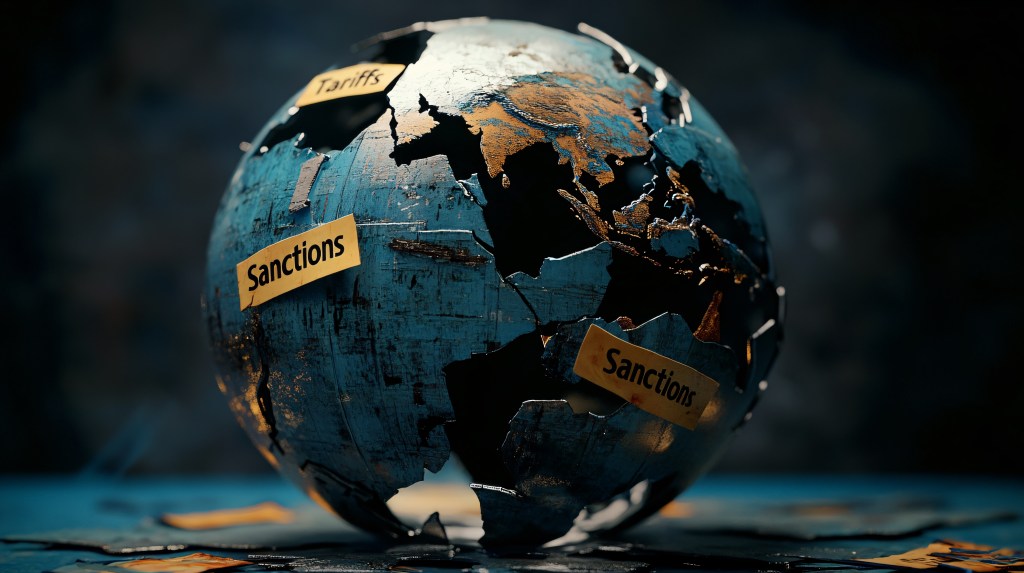
Image from Adobe
How Indian Markets Are Impacted by Geopolitical Events: Understanding the Ripple Effect
Geopolitical turmoil can result in unexpected disruptions across industries and countries. For Indian markets, this uncertainty often translates into immediate volatility. Stock prices of key sectors, such as energy, defense, and technology, can fluctuate sharply, and emerging market currencies, like the Indian rupee, may experience downward pressure. Additionally, oil prices are a primary concern for India, a net importer of crude oil, as geopolitical events can cause oil prices to surge, straining the country’s current account deficit and inflation expectations.
Let’s break it down, simply.
A Wake-Up Call for Investors
On June 22, 2025, the U.S. launched Operation Midnight Hammer, striking critical Iranian nuclear sites. While the immediate impact on oil prices was substantial, the ripple effect extended across stock markets globally. In India, this geopolitical development had notable consequences:
Surge in Oil Prices: India’s dependence on oil imports meant that the price spike put additional pressure on the country’s fiscal policy, leading to concerns over rising inflation and government spending. Brent crude prices surged over 5%, driving up costs for the country.
Stock Market Volatility: As oil prices surged, Indian stock indices such as the Nifty 50 and Sensex felt the pinch, particularly sectors like aviation, automobiles, and power generation. Investors feared increased input costs would impact earnings growth.
Currency Depreciation: The Indian rupee, already under pressure, depreciated further against the U.S. dollar, as foreign investors moved capital to safer assets. This led to concerns about higher import bills and the broader economic impact on India’s recovery prospects.
Even if you’re not into investing, this affects everything from fuel prices to your grocery bill.
Why Only Oil-Producing Nations are Often Affected
Geopolitical events often directly impact oil-producing nations and oil-importing countries in a chain reaction:
Oil-Producing Nations: As seen in the case of Iran and the U.S., conflicts involving oil-producing nations immediately affect oil supply chains. Oil prices spike when geopolitical tensions threaten key supply routes like the Strait of Hormuz, a critical chokepoint for oil trade. Any disruption in this flow has global consequences, including significant impacts on economies like India’s, which rely on imported oil.
Oil-Importing Countries: Nations such as India, which import a large portion of their crude oil, are impacted by the increase in global oil prices. These price surges can strain the country’s trade balance, increase inflationary pressure, and heighten concerns about fiscal deficits. Higher costs for energy, transportation, and manufacturing lead to increased costs across the economy, ultimately affecting stock market performance.
Notable Geopolitical Events and Their Market Impact
- The 2022 Russia-Ukraine War: The escalation of the Russia-Ukraine war led to a spike in global energy prices, exacerbating inflationary pressures worldwide. For India, the consequences were felt through higher fuel costs and market volatility in sensitive sectors.
- The 1990 Iraq-Kuwait Conflict: A classic example of how oil-producing nations, when affected by geopolitical events, trigger a chain reaction that extends globally. The impact on oil prices led to a substantial market downturn, impacting oil-importing economies like India.
- The U.S.-Iran Conflict in 2025: The June 2025 attacks marked another significant juncture where India’s stock market felt the pinch of global volatility due to rising oil prices and the weakening of the rupee.
What History Tells Us
Geopolitical events like elections, wars, and assassinations introduce significant uncertainty into the global economic environment. These events can disrupt international relations and economic partnerships, leading to market instability. For example, the recent Israel attack on Iran led to a sharp sell-off in early trading, as oil prices spiked and investors reacted to the potential risk of a wider conflict in the region. Historically, markets often experience a decline immediately following unexpected geopolitical events. This decline can last from a few days to weeks, but the stock market tends to recover over time as other variables, such as corporate earnings and interest rates, play a more significant role in determining market performance.
- Trump’s election
- Russia-Ukraine war
- COVID-19 outbreak
- Now, the U.S.-Iran escalation
What Investors (and Curious Citizens) Can Learn
How to Protect Your Portfolio from Geopolitical Risks in India
Fight the Urge to Sell: In India, as elsewhere, geopolitical events tend to lead to panic selling. However, historical evidence suggests that market reactions to such events are often short-lived. By resisting the impulse to sell in the face of geopolitical uncertainty, Indian investors can weather short-term volatility.
Diversify Your Portfolio: Diversification remains a key defense strategy. By investing across asset classes and geographies, Indian investors can reduce the risk associated with exposure to a single region or sector. For example, including foreign stocks or bonds in the portfolio can buffer against the volatility that typically follows geopolitical unrest.
Focus on Long-Term Goals: Indian investors should remain focused on their long-term financial objectives rather than reacting impulsively to short-term geopolitical news. Maintaining a disciplined, long-term approach can help ride out the volatility caused by such events.
Why Should You Care?
Because every time something like this happens:
- Your mutual funds might dip.
- Your travel gets pricier.
- Your cost of living gets subtly squeezed.
And most importantly — it reminds us that no one is truly disconnected from global headlines.
Navigating Geopolitical Events with Confidence and Strategy
The impact of geopolitical tensions on stock markets is undeniable. For India, these events influence key sectors, particularly oil and energy. While oil-producing nations often bear the brunt of direct impacts, countries like India, which depend on oil imports, face indirect consequences. Geopolitical events often lead to volatility, inflation, and currency depreciation—factors that can destabilize markets. However, history shows that stock markets tend to recover over time. By maintaining a diversified portfolio, avoiding knee-jerk reactions, and sticking to long-term investment strategies, Indian investors can mitigate the impact of geopolitical risks.
Final Thought from Me
I’m not an expert — just someone who believes every story has another side. While the headlines shout “WAR,” I hear an echo: “how does this touch ordinary lives?”
And that’s what I’ll keep bringing to you — one blog at a time.
 Abhijeet's Blog
Leave a comment